Hemp COA analysis and why every smart consumer should learn to read one.
If you’ve spent time shopping for hemp products like THC-A flower, concentrates, edibles, or cartridges, you have probably come across something called a COA.
Most people click the link, see a page full of numbers, and quickly move on.
But if you care about quality, safety, and legality, learning how to read a COA is one of the most valuable skills you can develop as a consumer.
I say that as someone who has been consuming cannabis in different forms for over two decades. I have watched the industry grow from sketchy black market dealings to a modern marketplace filled with lab-tested products, terpene profiles, and real transparency.
COAs are a big reason that progress happened.
So let’s walk through what a COA is, why it matters, and how to read one.
What Is a COA?
COA stands for Certificate of Analysis.
It is a laboratory report created by an independent testing facility that analyzes a cannabis or hemp product.
These labs measure several important things, including:
• Cannabinoid content
• Terpenes
• Pesticides
• Heavy metals
• Microbials
• Residual solvents
In simple terms, a COA is scientific proof of what is actually inside the product you are consuming.
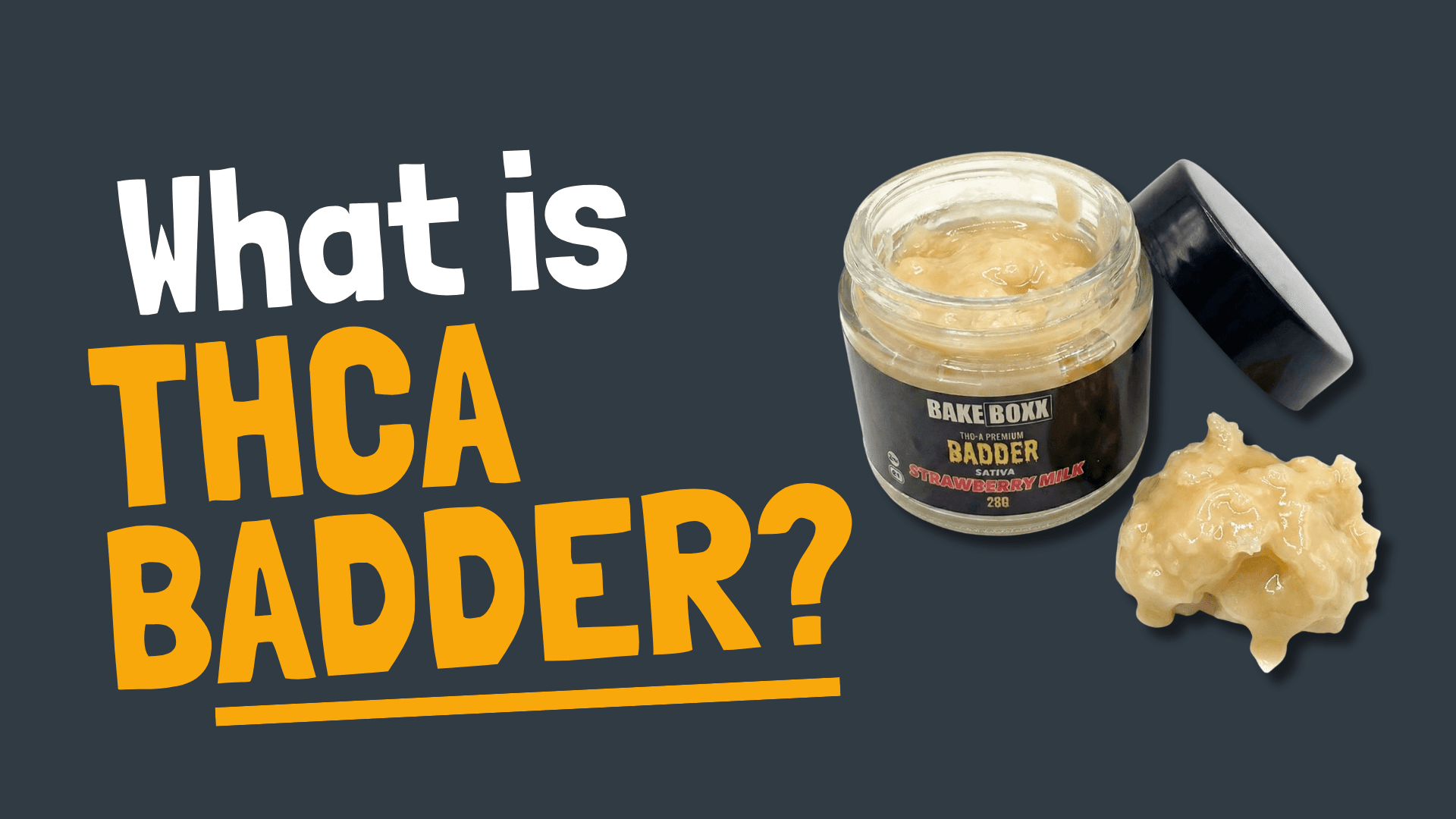
Reputable hemp companies such as BakeBoxx publish COAs so customers can confirm:
✔ potency
✔ safety
✔ legality
Without a COA, you are basically taking the label at its word.
Why COAs Matter in the Hemp Industry
The hemp market expanded rapidly after the 2018 Farm Bill, which legalized hemp containing less than 0.3% Delta-9 THC by dry weight.
That legislation opened the door for the modern THC-A market. However, it also introduced a challenge. Not every company follows the same standards. This is where third-party laboratory testing becomes essential. COAs help confirm three critical things.
1. Legal Compliance
A COA shows that the product remains under the 0.3% Delta-9 THC threshold, keeping it within the definition of federally compliant hemp.
2. Product Safety
Testing screens for contaminants such as:
• pesticides
• mold
• heavy metals
• solvents
These are substances you absolutely do not want to inhale or consume.
3. Honest Potency
COAs verify how strong a product truly is. Anyone can print impressive numbers on packaging. Only a lab report proves those numbers are accurate.
Breaking Down a Real COA Example
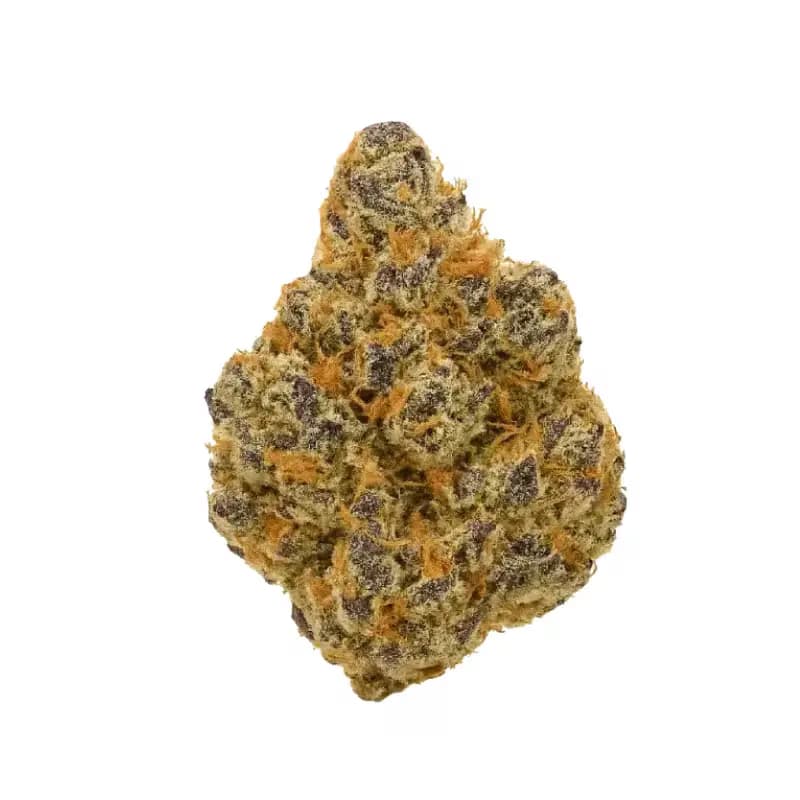
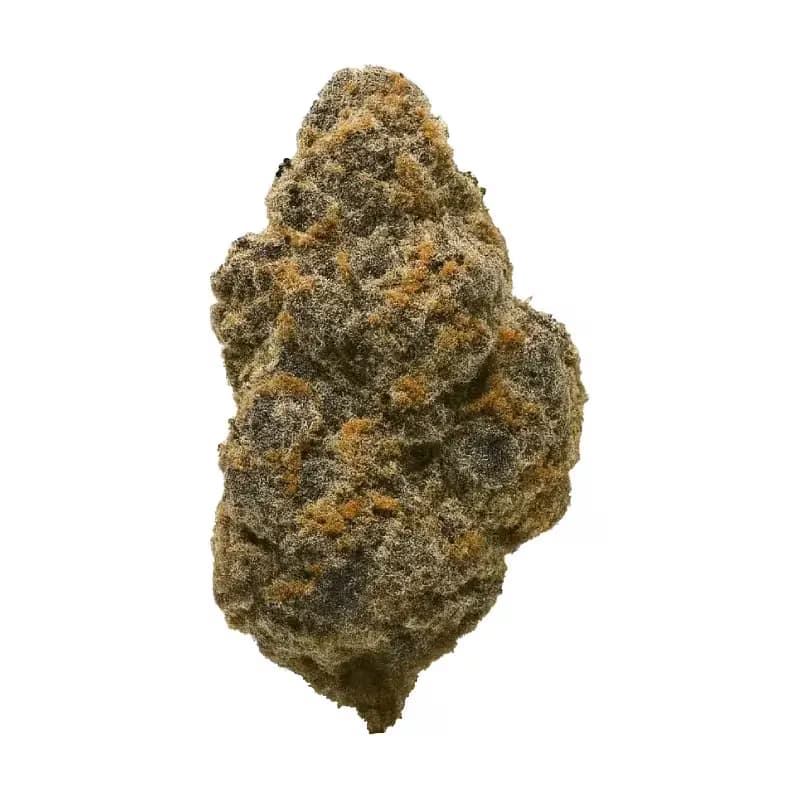
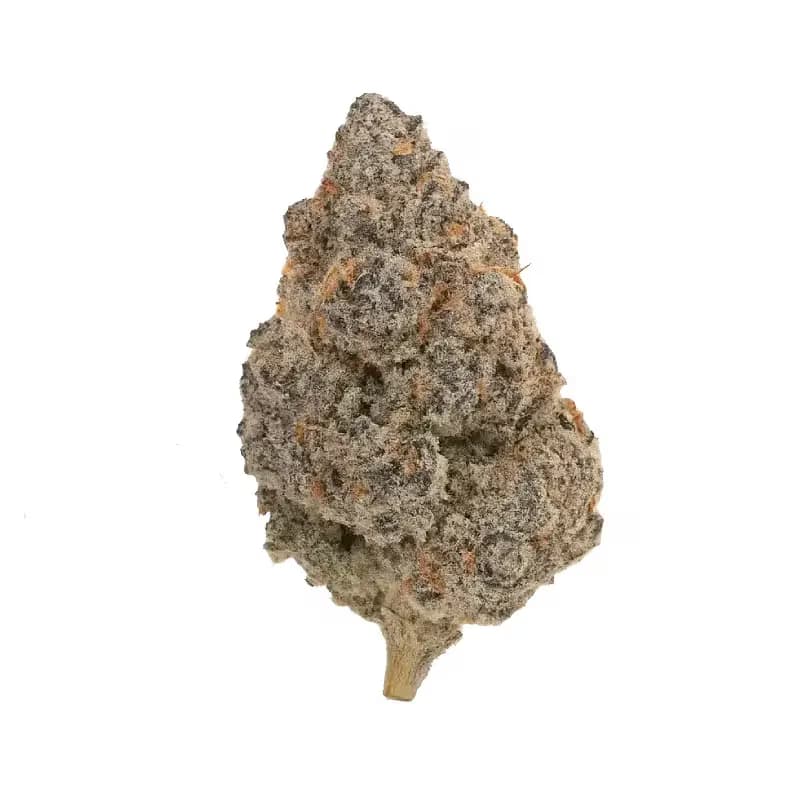
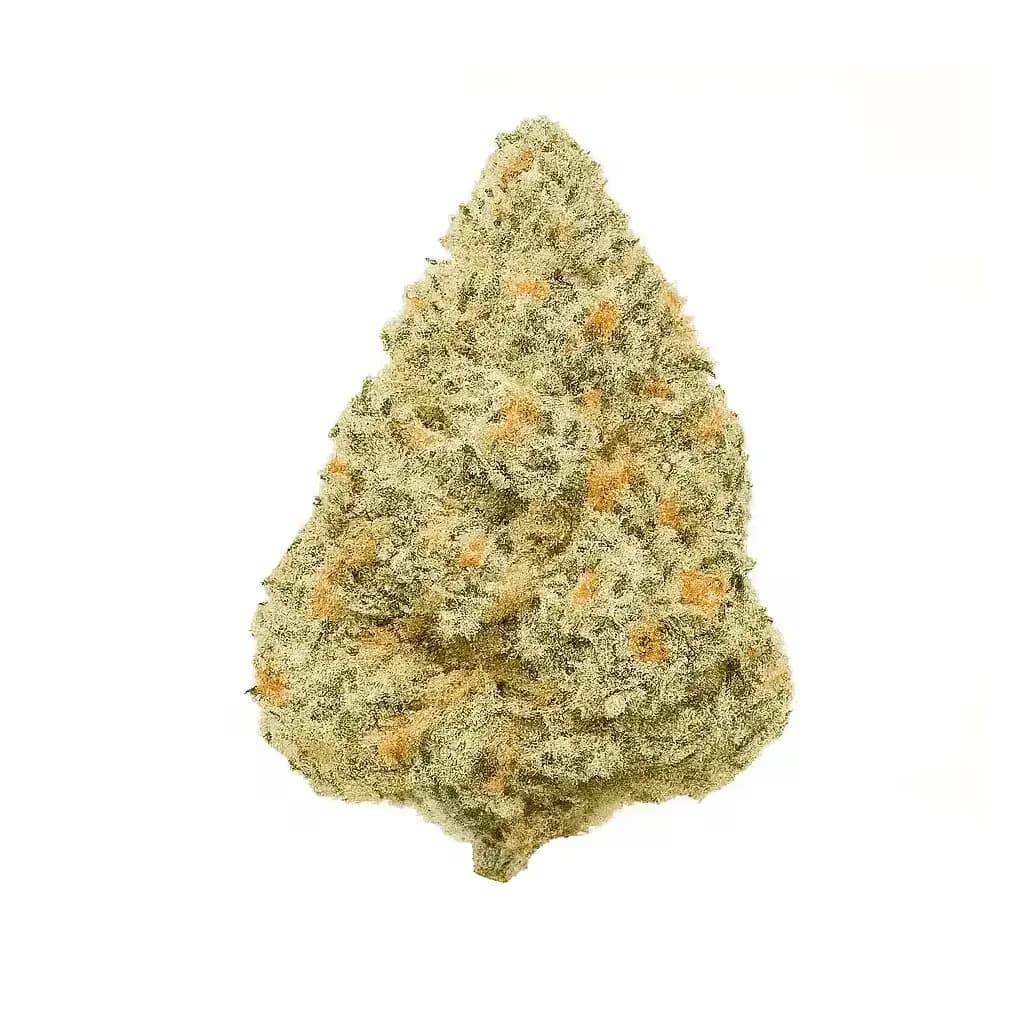
Let’s look at a real COA from BakeBoxx’s Black Cherry Soda THC-A Flower.
According to the lab report:
• THCA: 35.56%
• Delta-9 THC: 0.294%
• Total Cannabinoids: 37.63%
The report also includes a full cannabinoid breakdown, listing compounds like CBGA, CBG, and THCVa. These minor cannabinoids contribute to the plant’s overall character and the effects people experience.
So what does all of that actually mean?
Let’s translate it into plain language.
THCA vs THC: Why This Matters
One thing many people notice when looking at a hemp COA is the high THCA percentage.
THC-A is the raw, non-psychoactive precursor to THC.
When THCA is exposed to heat through smoking, vaping, or cooking, it converts into THC. This process is called decarboxylation.
In the COA example:
THCA = 35.56%
Meanwhile, Delta-9 THC measures only 0.294%, which keeps the product below the federal legal limit.
Once heat is applied, the THCA converts into THC and produces the familiar effects cannabis consumers expect.
This is why THC-A hemp flower can feel very similar to traditional cannabis.
Total Cannabinoids: Why It Matters
The COA also lists:
Total Cannabinoids: 37.63%
This number represents the total concentration of active cannabinoid compounds in the flower.
Higher totals often suggest:
• stronger potency
• a richer cannabinoid profile
• more layered effects
Still, potency alone does not tell the whole story.
The interaction between cannabinoids and terpenes plays a major role in shaping the overall experience.
The Role of Third-Party Labs
The COA in this example was performed by Marin Analytics, an independent testing laboratory.
That independence matters because the lab:
• has no financial stake in the product
• uses standardized scientific equipment
• verifies results through controlled testing
Responsible companies do not test products internally. Instead, they rely on third-party labs to provide objective results and maintain transparency.
What Smart Hemp Consumers Should Look For
When reviewing a COA, I recommend focusing on four key details.
1. Delta-9 THC under 0.3%
This confirms the product meets federal hemp regulations.
2. High THCA levels for flower
This suggests strong potential potency after decarboxylation.
3. Total cannabinoid content
This helps estimate overall strength.
4. Recent testing dates
Fresh testing indicates the results are current and relevant.
Why Transparency Matters
The cannabis market once operated almost entirely on trust. Today we have data. Companies that publish their COAs openly are essentially saying:
“We stand behind what we sell.”
For consumers, that kind of transparency builds confidence. For the industry as a whole, it raises the bar. And for someone like me, who has been enjoying cannabis for decades, it is incredible to see how far things have come. We went from guessing what was inside a bag to having full laboratory breakdowns of the plant. That is real progress.
Final Thoughts
If you remember only one takeaway from this article, make it this:
Always check the COA.
It is the easiest way to verify:
• safety
• potency
• legality
When a company makes this information easy to find, it is usually a sign they care about quality and transparency.
The hemp industry continues to evolve, but COAs are one of the tools helping guide it toward a safer and more responsible future.